

Autonomous Satellite Intelligence
SYNAPLEX enables satellites to make autonomous decisions on-orbit, eliminating dependency on ground station uplinks for routine operational intelligence. Photonic neuromorphic processing delivers AI inference with sub-watt power budgets, critical for constellation-scale deployment.
LEO mega-constellations (Starlink, OneWeb, Kuiper) require autonomous operation across 10,000+ satellites where ground-based control becomes operationally infeasible. SYNAPLEX provides the on-board intelligence layer for autonomous collision avoidance, threat response, and mission adaptation without uplink latency.
Military space architectures demand resilience against anti-satellite weapons and electronic warfare. Autonomous decision-making removes the vulnerability of command links, enabling satellites to continue mission execution under contested conditions where ground communication is denied.

Constellation Management
Autonomous coordination across mega-constellations with distributed AI decision-making for collision avoidance and orbital slot optimization.
- Starlink — 12,000+ satellite network
- OneWeb — Global LEO constellation
- Kuiper — Amazon 3,236 satellites
- Telesat Lightspeed — 298 satellites
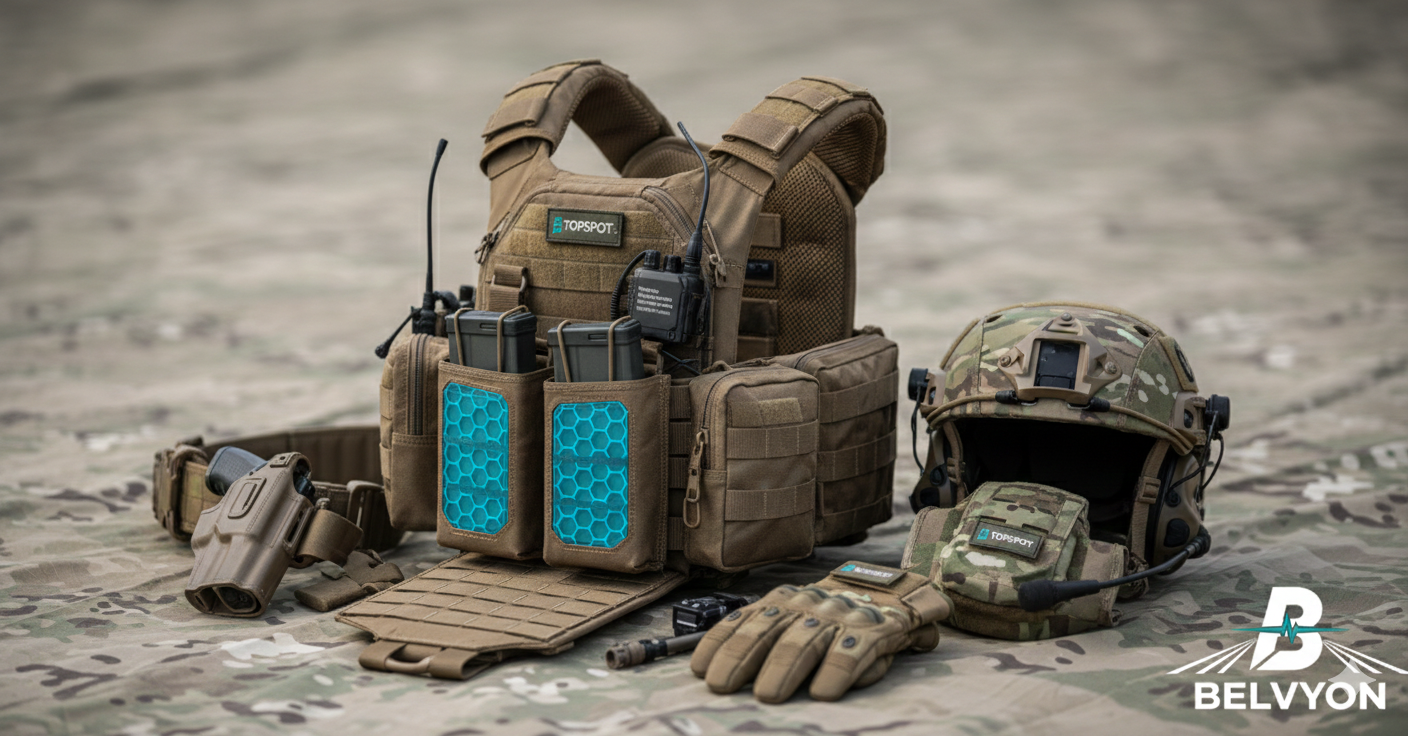
Military Space Systems
Autonomous operation for classified satellite networks requiring resilience against ASAT threats and communication denial.
- SDA Transport Layer — US Space Force
- UK Skynet 6 — Ministry of Defence
- NATO SatCom — Alliance networks
- National Reconnaissance — Intelligence satellites
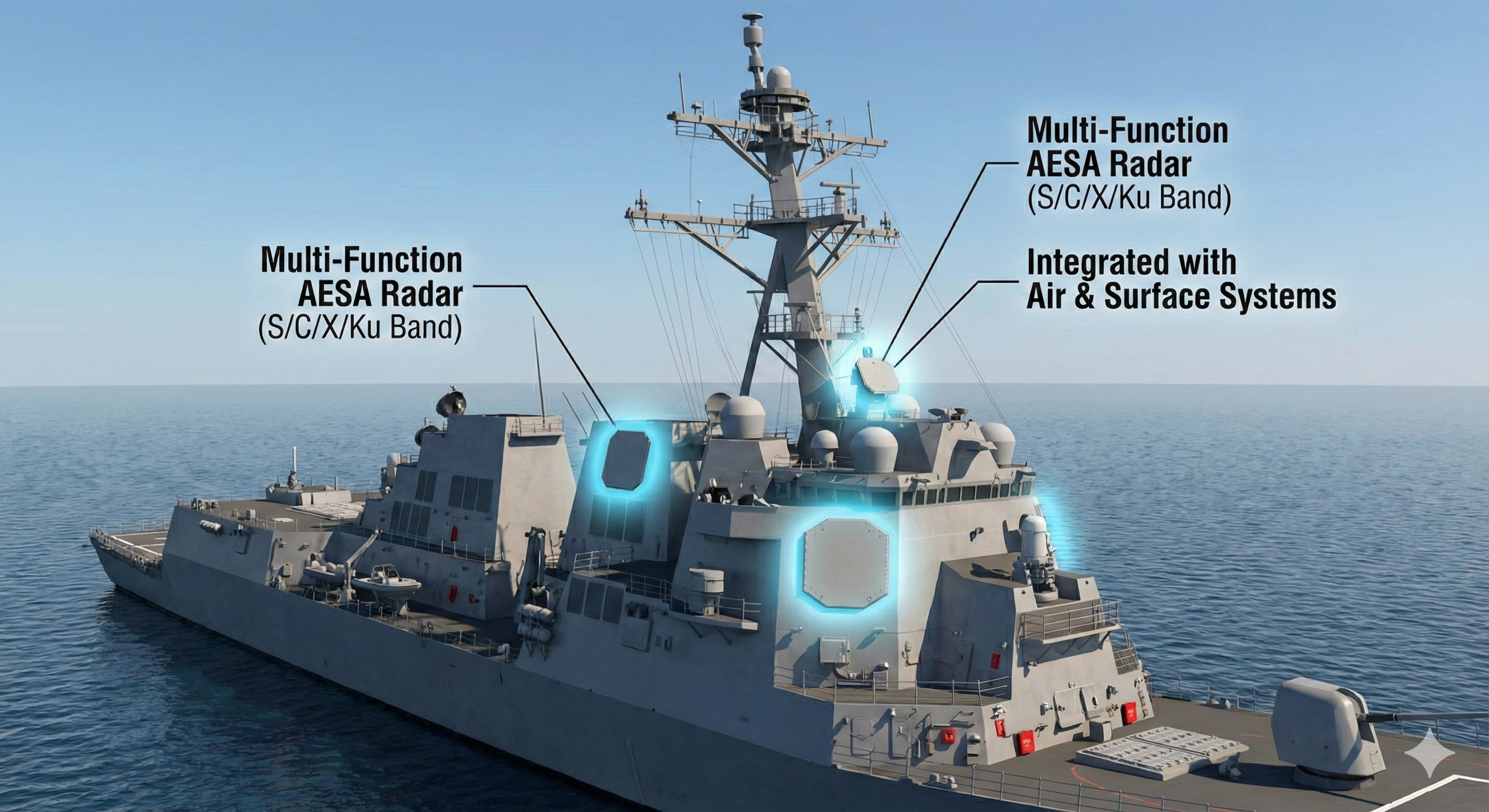
Autonomous Threat Response
On-board AI for real-time threat classification and evasive maneuver execution without ground-in-the-loop latency.
- ASAT Detection — Kinetic interceptor tracking
- Co-Orbital Threats — Proximity satellite monitoring
- RF Jamming Response — Adaptive link management
- Laser Dazzle Mitigation — Sensor protection
Adaptive Mission Planning
Real-time mission parameter optimization based on operational conditions, resource availability, and environmental factors.
- Resource Allocation — Power/propellant optimization
- Payload Tasking — Autonomous sensor scheduling
- Link Budget Management — Adaptive downlink prioritization
- Orbit Maintenance — Fuel-efficient maneuvering
Why SYNAPLEX for Space Autonomy
Photonic neuromorphic processing delivers unique advantages for satellite AI
Ultra-Low Power
<1W inference budget enables deployment across 10,000+ satellite constellations without power subsystem redesign.
Radiation Hardness
Photonic processing demonstrates inherent radiation tolerance for LEO/MEO/GEO environments without silicon single-event upsets.
Real-Time Response
Sub-millisecond inference latency enables autonomous threat response faster than ground-in-the-loop command cycles.
Discuss Space Autonomy Integration
Contact our space systems team to explore SYNAPLEX deployment for satellite constellation autonomy.
Contact Space Team Back to SYNAPLEX Defence